
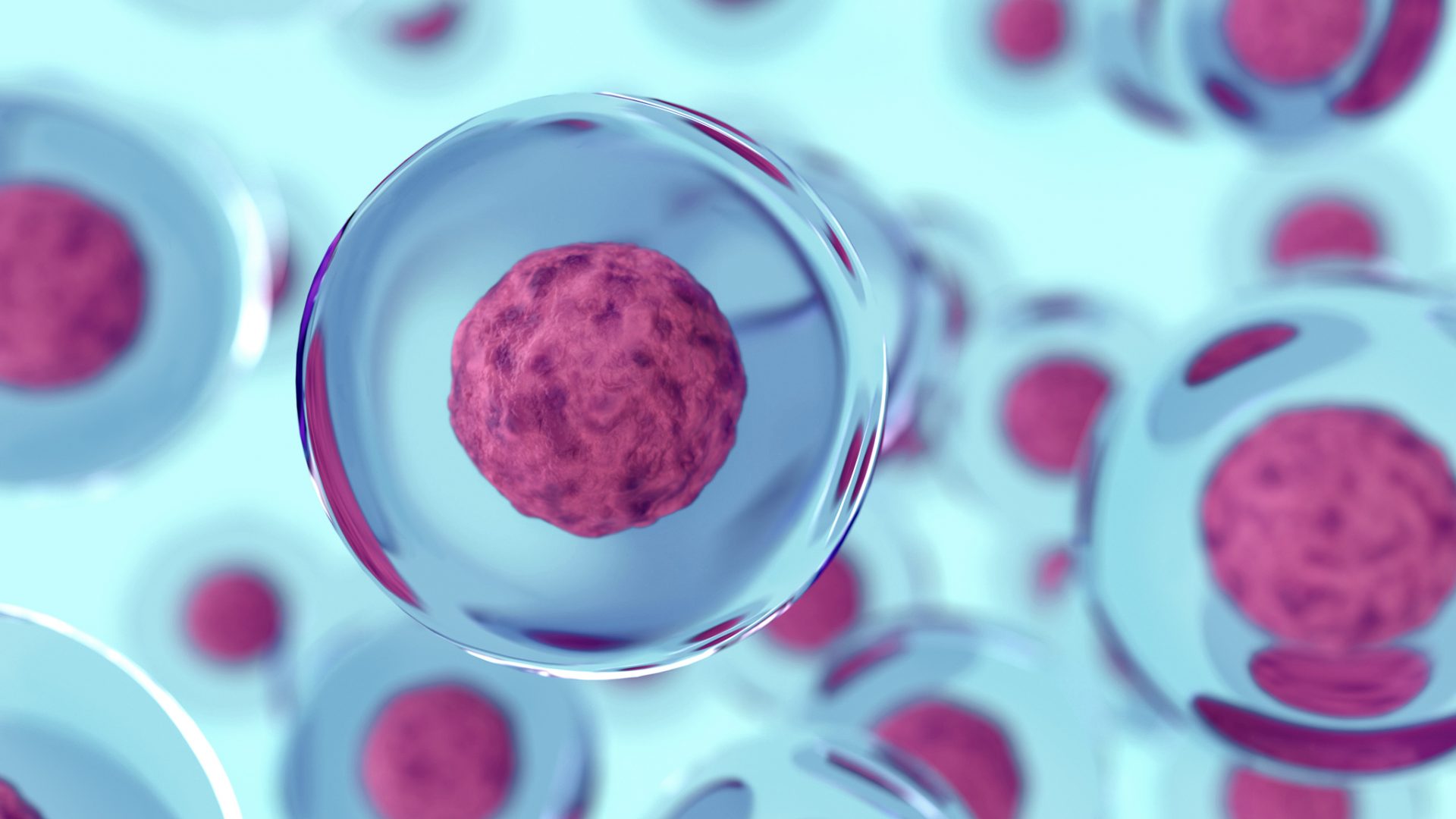
Stem cell therapy is a rapidly advancing field in modern medicine, offering treatment options for complex blood disorders, cancers, and immune system diseases. However, it is not suitable for every patient. Doctors carefully evaluate specific conditions and indications before recommending stem cell transplantation.
This article explains the key diseases and medical situations where stem cell therapy is considered appropriate.
What Are Stem Cell Conditions and Indications?
Stem cell conditions and indications refer to the diseases and clinical situations where stem cell therapy is medically recommended. These usually involve:
- Blood cancers
- Bone marrow failure disorders
- Genetic blood diseases
- Immune system deficiencies
- Certain hematologic malignancies
Proper identification of these conditions ensures safe and effective treatment planning.
Patients can explore advanced medical care at Liv Hospital, which provides specialized hematology and transplant services.
Major Stem Cell Conditions and Indications
Stem cell therapy is commonly used in the following medical conditions:
1. Leukemia
Leukemia is a cancer of the blood and bone marrow. Stem cell transplantation is often used to replace diseased bone marrow with healthy cells.
2. Lymphoma
In certain lymphoma cases, especially after chemotherapy, stem cell therapy helps restore normal blood cell production and immune function.
3. Multiple Myeloma
This cancer affects plasma cells in the bone marrow. Stem cell transplants improve disease control and long-term survival.
4. Aplastic Anemia
A serious condition where bone marrow fails to produce enough blood cells. Stem cell therapy can restore normal blood formation.
5. Sickle Cell Disease
A genetic disorder affecting red blood cells. Stem cell transplantation may offer a curative treatment option.
6. Thalassemia
An inherited blood disorder causing abnormal hemoglobin production. Stem cell therapy can replace defective blood-forming cells.
7. Severe Immune Deficiency Disorders
Patients with weak or absent immune systems may benefit from stem cell therapy to rebuild immunity.
When Is Stem Cell Therapy Recommended?
Doctors recommend stem cell therapy when:
- Standard treatments are not effective
- Disease is advanced or life-threatening
- Bone marrow is severely damaged
- There is a high risk of disease relapse
- Patient is medically fit for transplantation
A full medical evaluation is always required before proceeding.
For detailed clinical guidelines, visit Stem Cell Conditions and Indications.
Types of Stem Cell Transplantation
Different types of stem cell procedures are used depending on the condition:
Autologous Transplant
- Patient’s own stem cells are used
- Common in multiple myeloma and some lymphoma cases
Allogeneic Transplant
- Stem cells from a compatible donor
- Used in leukemia and genetic disorders
Cord Blood Transplant
- Stem cells from umbilical cord blood
- Often used in pediatric cases
Risks and Considerations
Stem cell therapy can be highly effective but also carries risks such as:
- Infections due to weak immunity
- Graft-versus-host disease (GVHD)
- Organ complications
- Treatment-related side effects
Careful monitoring is required before, during, and after treatment.
Importance of Proper Patient Selection
Not all patients are eligible for stem cell therapy. Doctors evaluate:
- Age and general health
- Disease stage and severity
- Organ function (heart, liver, lungs)
- Availability of a donor
- Response to previous treatments
This ensures safe and effective treatment outcomes.
Conclusion
Stem cell conditions and indications are carefully defined medical situations where stem cell therapy can provide life-saving benefits. From leukemia to genetic blood disorders, this treatment offers hope for many patients when used appropriately.
With advanced diagnostic and treatment facilities at institutions like Liv Hospital, patients can receive expert evaluation and personalized stem cell therapy planning for better outcomes.
